The Ultimate Fueling Strategy for Long Runs and Rides
Maxi Selmayr
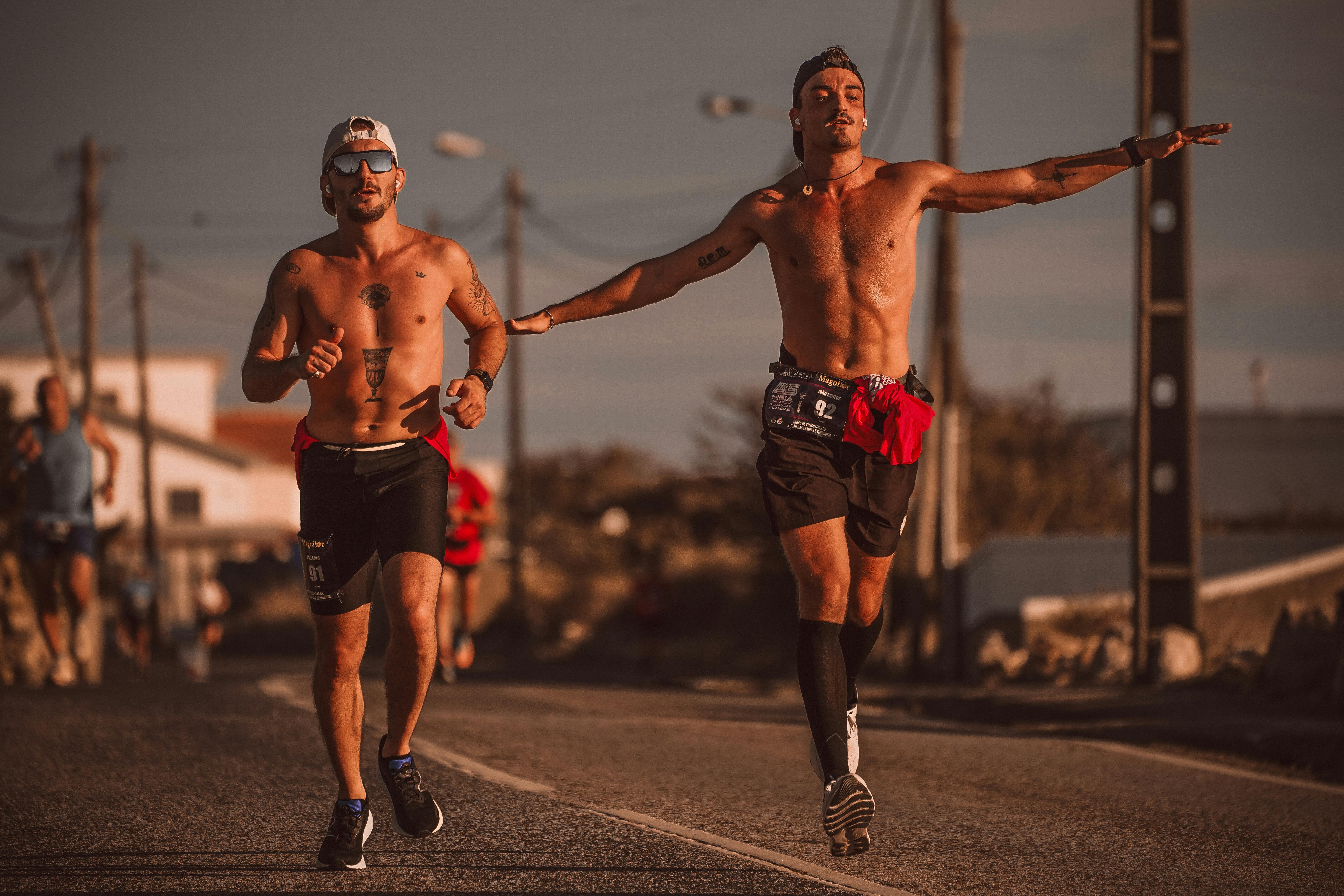
For runners and cyclists aiming to enhance their performance, proper nutrition during activity is crucial. The right fueling strategy can provide a significant performance boost—up to 20% more endurance. This article outlines the ultimate fueling strategy to keep you going strong, covering the essentials of during-activity nutrition.
The Power of During-Activity Nutrition
During extended physical activity, maintaining energy levels is paramount. Proper nutrition addresses multiple needs:
Steady Energy: Consuming the right nutrients prevents the dreaded “bonk,” where energy levels crash suddenly. Instead, you can maintain a consistent pace throughout your activity.
Peak Intensity: Adequate fueling allows you to sustain high-intensity efforts. This is essential for performance during races or long training sessions.
Mental Clarity: Fueling isn't solely about the body; it impacts cognitive function too. Proper nutrition reduces "brain fog," helping you stay focused and mentally resilient.
Early Recovery: Engaging in nutrition that supports recovery while still active can mitigate post-activity soreness, promoting a faster return to training.
Carbohydrates: The Fuel Roadmap
Carbohydrates are your primary fuel source during exercise. The objective is to maintain optimal blood glucose levels while providing immediate energy for your muscles.
For Activities Under 45 Minutes: Typically, no nutritional intake is necessary, even during high-intensity efforts.
45–75 Minutes: Only a small amount is required; consider mouth rinses or a minor dose of sugar. - 1–2.5 Hours: Aim for 30–60 grams of carbs per hour.
Over 2.5 Hours: Increase intake to 60–90 grams per hour, using a mix of glucose and fructose for better absorption.
Hydration Matters
Hydration is critical to performance and should not be overlooked. Maintaining hydration helps prevent excessive body weight loss (more than 2-3%) while avoiding the risk of overhydration.
Timing: Take small sips of water or sports drinks every 15 minutes to remain ahead of thirst.
Recommendations: Start with 400 to 800 mL per hour, drink water for 60–90 minutes, and ensure hydration becomes mandatory for activities over 90 minutes.
Balancing Salt and Electrolytes
Salt and electrolytes are essential for hydration and performance.
Hydration Support: Without sufficient salt, your body struggles to retain the water you consume.
Cramp Prevention: Adequate sodium intake helps prevent muscle cramping and fatigue.
Recommended Intake: Aim for 300–600 mg of sodium per hour, especially important in activities longer than two hours.
Advanced Supplements: Caffeine and Protein
Incorporating advanced supplements can further optimize performance.
Caffeine: Known for enhancing mental resilience, caffeine can help mask fatigue. An intake of 1 mg/kg of body weight every two hours can help sustain performance.
Protein: Particularly for efforts exceeding three hours, protein can minimize muscle damage and soreness with a recommended intake of 0.25 g/kg per hour alongside carbohydrates.
Summary: Stop Guessing, Start Optimizing with Racebase
Navigating the complex balance of carbohydrates, fluids, and sodium is an individual challenge. To alleviate this complexity, the Racebase app was built. It assists in crafting personalized nutrition plans, enabling you to test different strategies and determine what works best for your body, ensuring you peak on race day – without any costs involved.
By integrating these guidelines into your training and long runs or rides, you can enhance not only your performance but also your overall experience. With the right fueling strategy, you're not just training harder; you're training smarter.
Download Racebase today and fuel your next PB!